Equatorial, DNV and SIT Collaborate on Remote Operations Study for LNG Bunkering to Reduce Onboard Manning
Singapore is prioritising the use of autonomous technology at its port terminals, Senior Minister of State for Transport Murali Pillai said on Wednesday (22 April), citing plans outlined in the country’s Maritime Technology and Research Roadmap.
The roadmap was announced yesterday by Acting Transport Minister Jeffrey Siow highlighting the research and development priorities Singapore will invest more than $100 million over the next five years.
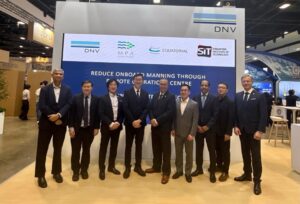
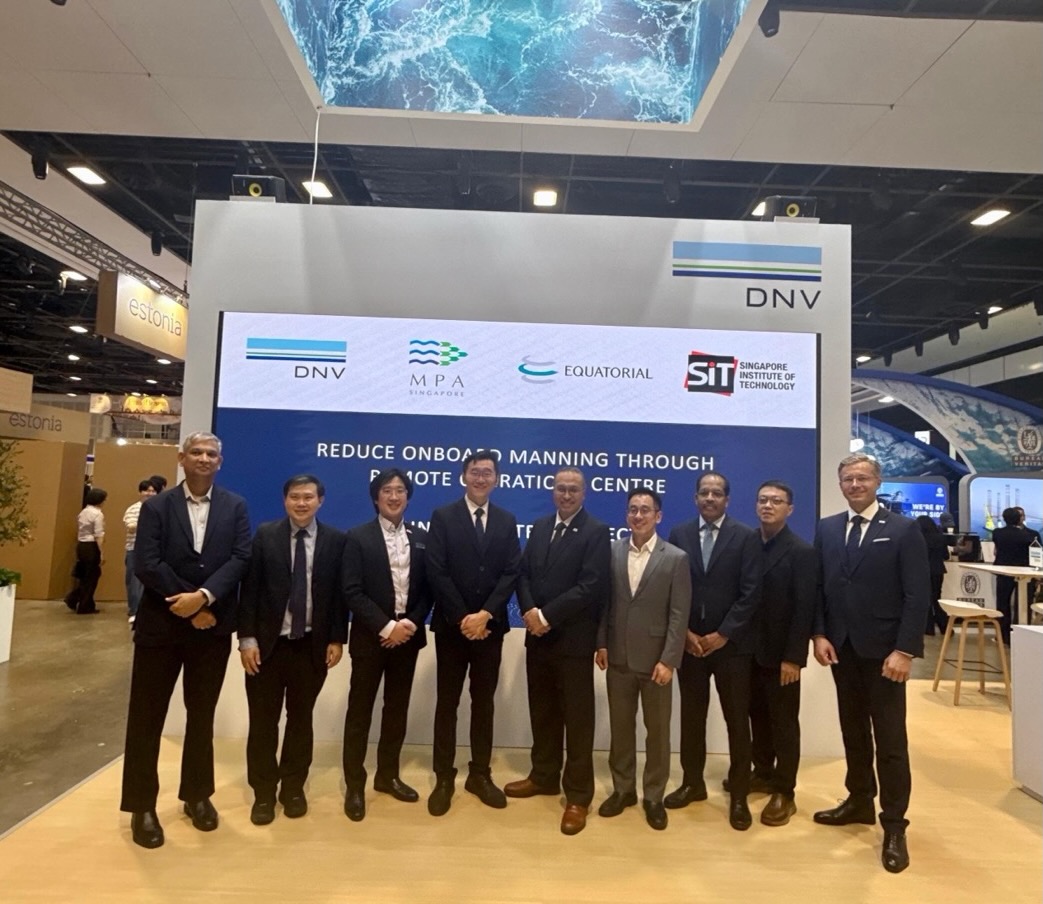
One of the initiatives include the government studying the use of remote operations for LNG bunkering. MPA is supporting a Joint Industry Project between DNV, Equatorial Marine Fuel Management Services and Singapore Institute of Technology (SIT).
Singapore will also be launching a call for design proposals for an autonomous inter-gateway container feeder — a vessel that transfers containers between terminals.
“These two initiatives will explore remote and autonomous technologies, realtime monitoring and remote vessel operations, allowing us to establish new operational frameworks,” he said.
Mr Murali also said Singapore is preparing its port for a multi-fuel future by developing operational standards for alternative marine fuels given the unique challenges and risks posed by these fuels.
He said operational standards set out safety protocols, guidelines for crew training, and regulations on the safe handling of alternative fuels.
“By coordinating efforts across stakeholders, including shipowners, ports, and fuel suppliers, we can accelerate our collective shift towards cleaner marine fuels,” he said in his opening remarks of Day 2 of the Singapore Maritime Week (SMW) 2026 at Suntec Convention Centre.
Over the past three years, the Maritime and Port Authority of Singapore (MPA) has conducted extensive safety studies and fuel trials to inform the standards Singapore is developing. This includes two for ammonia and four for methanol.
“Last year, we published the Technical Reference on Methanol Bunkering. We are currently developing Singapore’s first Technical Reference for Ammonia Bunkering and will share more details subsequently,” he said.
He added that the city-state is developing an electric harbour craft charging infrastructure plan, based on detailed studies of the routes and needs of crew transfer and cargo supply vessels.
Recognising that infrastructural provisions are necessary for electric harbour craft to gain traction, Singapore intends to deploy chargers at key terminals and piers such as Marina South Pier, West Coast Pier and within the Western Industrial Area in the coming years.
“By 2030, we aim to expand the network of public chargers across Singapore’s southern coastline,” he said.
“We will also trial the use of battery-powered charging solutions to provide greater flexibility for harbour craft operations.”
He acknowledged that there are challenges remaining, including the high upfront costs of electric harbour craft which the government is addressing by working closely with industry to study how to bridge this gap.
“MPA and our local shipping associations convened the Harbour Craft Decarbonisation Taskforce in October last year and the Taskforce has concluded its work. The Singapore Government looks forward to receiving the recommendations and will study them thoroughly,” he said.
Read the original article here: https://www.manifoldtimes.com/news/smw-2026-singapore-explores-remote-operations-for-lng-bunkering-with-industry-project/